Key Takeaways
- Pick the band, not the biggest number. Lumens fall into four practical tiers - 100-500 for everyday and close-up, 500-1,000 for general outdoor, 1,000-2,000 for unlit trails, and 2,000+ for work and search.
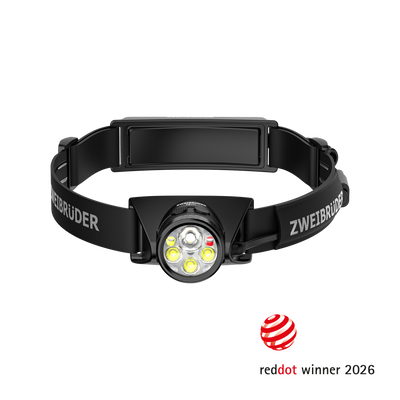
- One head torch can span the everyday-to-outdoor jump. The 1,000-lumen Zweibrüder ZB5H dials down to 100-300 lumens for indoor and dog-walking use, then opens up to full reach for the trail, all from a 124g body.
- Match the model to the tier. The ZB3H (600lm) and ZB5H (1000lm) cover everyday and general outdoor, the ZB7H (1200lm) and ZB9H (2000lm) handle unlit hiking, and the ZB11H (2500lm) and ZB6T searchlight take on professional night work.
- Beam shape and runtime decide real-world brightness. A tight spot beam can out-reach a brighter flood, and a lower mode that stretches to 20+ hours often beats raw output on a multi-day trip.
- Buy once with German-engineering heritage behind every torch. Every Zweibrüder torch is German-engineered, charges over USB-C, and is backed by a seven-year warranty, so the right band is also the long-term-value choice.
The short answer: 100-500 lumens covers most everyday tasks like dog walking, reading, and home use. 500-1,000 lumens suits general outdoor activities such as trail walking and camping. 1,000-2,000 lumens is for hiking on unlit, uneven terrain where you need to see distance. 2,000 lumens and above is for demanding terrain, search, security, and professional work. The right number depends on what you need the light for, not just how bright it can go.
This guide breaks it down by task, so you can choose with confidence.
What Does a Lumen Measure?
A lumen is a unit of brightness. It tells you how much visible light a bulb or torch produces. The higher the lumen count, the more light comes out. That is all it means: no more, no less.
Lumens vs. Watts: What's the Difference?
Watts measure how much energy a bulb uses. Lumens measure how much light it gives out. An old 60-watt incandescent bulb produced around 800 lumens. A modern LED can produce the same 800 lumens using only 8 to 10 watts. When choosing a torch or head torch, lumens are the number that matters for brightness.
Why Lumens Matter More Than Bulb Power
Because LED technology is so efficient, wattage no longer tells you how bright a light will be. Two torches can use the same battery power but produce very different brightness levels depending on the LED and optics inside. Always compare lumens, not watts.
Why "Brighter" Does Not Always Mean "Better"
More lumens can cause glare indoors, drain batteries faster, and add weight. A 3,000-lumen torch is overkill for reading a map in a tent. The most useful light is one matched to the job: bright enough to do what you need, without wasting power or dazzling you at close range.
How Many Lumens Do I Need?
Start with the task, then pick the brightness.
Task-Based Brightness Needs
For close-up tasks like reading or finding something in a drawer, 100-200 lumens is plenty. General household and indoor tasks typically sit in the 100-300 lumen range. For lighting a path ahead of you on a dark evening or a suburban walk, 500-1,000 lumens works well for most people.
Indoor, Outdoor, and Emergency Use
Indoors, moderate output avoids glare and eye strain, so 100-300 lumens is usually enough for close work and household tasks. For torches used outdoors, you need more output to cut through open darkness, with 500-1,000 lumens suiting general evening and trail use. For emergencies, such as power cuts, breakdowns, and signalling, a reliable torch in the 500-1,000 lumen range gives you options without being unwieldy. The Zweibrüder ZB5H is a dependable all-rounder for this, with a 124g body, dual-power flexibility, and a red mode to preserve your night vision when checking a fuse box or reading by torchlight.
When to Choose More or Less Light
Choose fewer lumens when you are working at arm's length, in enclosed spaces, or when battery life matters more than raw brightness. Choose more when you need to see further ahead, cover a wide area, or work in complete darkness.
How Bright Is 1000 Lumens?
1,000 lumens is roughly equivalent to the light output of a 75-watt incandescent bulb. In a torch, that is a strong, focused beam capable of lighting up a street or a large garden from one end to the other.
What 1000 Lumens Looks Like in Practice
Hold a 1,000-lumen torch in a dark field and you can clearly see objects 100 metres or more ahead, depending on beam pattern. Indoors, it would light an entire room brightly: far more than you need for household tasks.
Best Uses for a 1000 Lumen Torch
A 1000 lumen torch is well suited to rural hiking, night walking, security patrols, and outdoor work. It gives you enough reach to spot hazards on unlit paths and enough spread to scan a wide area quickly. The Zweibrüder ZB5H hits exactly this mark, delivering 1000 lumens from a 124g body with auto-focus and a red night-vision mode.
Is 1000 Lumens Enough for Everyday Carry?
For most people, yes, provided it has adjustable brightness modes. Use a lower setting for close tasks and save full power for when you genuinely need distance. A good 1,000-lumen torch with multiple modes covers nearly every everyday scenario.
Lumen Guide by Use Case
Here is how brightness needs change across the most common situations, from close work at home to professional tasks in the dark.
Reading, Home Use, and Close Work
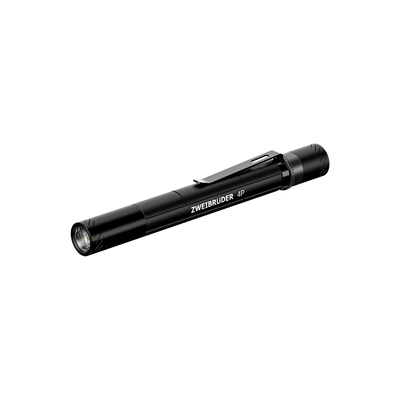
100-300 lumens. A reading light or bedside torch needs only modest output. For working under a sink or in an attic, a focused beam around 200-300 lumens is ideal. For detail work and inspection, the Zweibrüder ZB4P pen torch puts a precise beam exactly where you need it from a slim 60g body.
Walking, Dog Walking, and General Outdoor Use
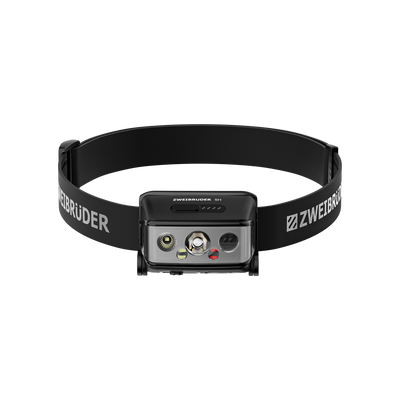
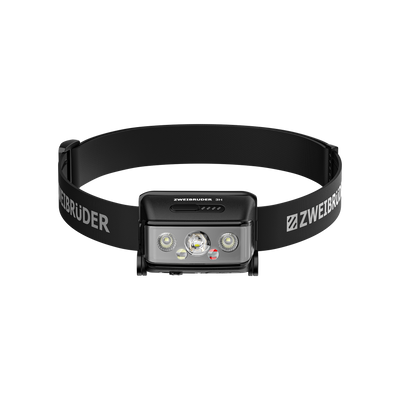
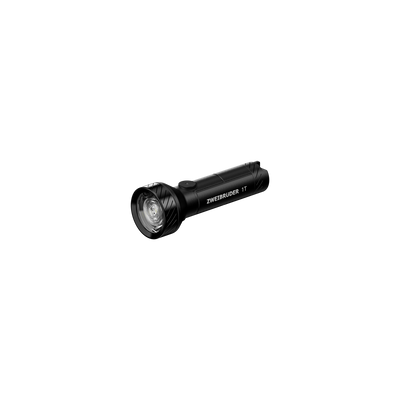
100-500 lumens. The lower end lights up pavements and paths without blinding oncoming pedestrians. For dog walkers on dark winter evenings, a reliable torch around the 200-300 lumen mark is often the sweet spot: bright enough to feel safe, light enough to carry comfortably. The Zweibrüder ZB1T is a small but powerful lightweight option, and for a head torch the Zweibrüder ZB3H is a versatile all-rounder, with a red mode to protect your night vision and a lower setting for relaxed everyday walks while keeping plenty of headroom for the occasional longer route.
Here is what 500 lumens actually looks like in the dark — from a torch small enough to live on a keyring:
Camping, Hiking, and Navigation
500-1,000 lumens covers general camping and trail walking, where you mostly need a clear, comfortable spread of light around you. Unlit trails and rough ground demand more, so for hiking on uneven terrain where you need to see distance, aim for 1,000-2,000 lumens. The Zweibrüder ZB7H sits right in this band at 1200 lumens with up to 50 hours of runtime, while the Zweibrüder ZB9H steps up to 2000 lumens for the most demanding all-night trips.
Search, Security, and Professional Use
2,000 lumens and above. Security staff, emergency responders, and tradespeople working at night need strong output and long throw. A high lumen torch in this range illuminates large areas and can signal over long distances. The Zweibrüder ZB9H head torch delivers 2000 lumens hands-free, and for the most demanding multi-day work the Zweibrüder ZB11H pairs 2,500 lumens with the largest battery in the range, running up to 80 hours on lower modes.
Torch and Head Torch Brightness Explained
Brightness is only half the story. This section looks at what actually makes a torch bright in the real world, and when a head torch is the better tool.
What Makes a High Lumen Torch?
A high lumen torch combines an efficient LED, quality optics, and a battery large enough to sustain the output. Lumen count alone does not define quality: beam control, build, and runtime matter just as much.
When a 1000 Lumen Head Torch Makes Sense
A 1000 lumen head torch is a strong choice for night hiking, mountain biking, and other fast-paced outdoor activities, as well as hands-free work in dark conditions. It frees both hands while delivering serious reach and spread. On uneven trails, a stable beam that moves naturally with your line of sight makes a real difference.
Choosing Between a Torch and a Head Torch
Use a handheld torch when you need to direct light precisely: searching a shed, checking under a car, signalling. Use a head torch when you need both hands free: walking with a dog lead, setting up camp, working on a ladder.
Common Lumen Levels Compared
To make the numbers concrete, here is what each common brightness level is good for in practice.
300 Lumen Torch
Good for dog walking, bedside use, and short trips to the car. Compact, long runtime, easy to pocket. For a step up in reach while staying light, the Zweibrüder ZB3H head torch delivers 600 lumens from a 124g body.
500 Lumen Head Torch
A practical choice for evening walks on lit-to-partly-lit routes, DIY tasks, and general outdoor use. A 500 lumen head torch balances brightness and battery life well. For exposed conditions that call for more output, the Zweibrüder ZB7H steps up to 1200 lumens with a stronger flood-and-spot beam and up to 50 hours of runtime.
1000 Lumens
The crossover point between everyday and serious outdoor use. Suitable for general trail use, rural paths, and site work. The Zweibrüder ZB5H delivers exactly 1000 lumens from a light 124g body, making it an easy all-rounder at this level.
1500 Lumens
Strong enough for dark trails, large gardens, and hiking on uneven terrain. 1500 lumens gives noticeably more throw than 1,000. The Zweibrüder ZB7H at 1200 lumens or the Zweibrüder ZB9H at 2000 lumens bracket this level for distance work on unlit ground.
2000 Lumens
Built for search, security, and demanding work environments. 2000 lumens covers wide areas and reaches well over 200 metres in a focused beam. The Zweibrüder ZB9H, named BILD Best Headlamp, delivers exactly 2000 lumens hands-free from a 252g body.
3000 Lumens
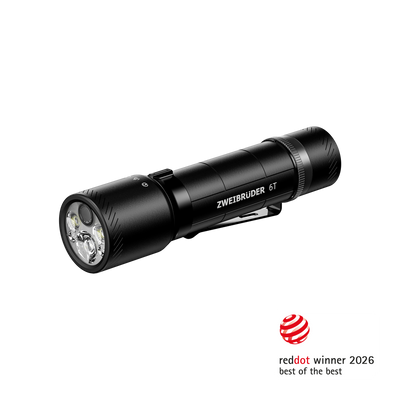
Specialist territory. 3000 lumens is for search and rescue, large-area illumination, and professional night work. Expect heavier batteries and shorter runtimes at maximum output. The Zweibrüder ZB6T handheld reaches 3000 lumens for this kind of work, while the Zweibrüder ZB11H head torch delivers 2,500 lumens hands-free.
And here is 3000 lumens out on the hills as the light fades:
How Beam Pattern Affects Perceived Brightness
Two torches with the same lumen rating can feel completely different. The shape of the beam is the reason why.
Flood Beam vs. Spot Beam
A flood beam spreads light wide, which is useful for close-up work and camp lighting. A spot beam focuses light into a narrow cone, pushing it further. Two torches with the same lumen rating can feel very different depending on beam type.
Adjustable Focus and Beam Control
Some torches let you manually shift between flood and spot by twisting or sliding the head. Others do it automatically: Zweibrüder produced the world's first auto-focus handheld torch, the ZB6T, which won the Red Dot Best of the Best award. Auto-focus simply means the beam widens or narrows to match what you are looking at, without swapping tools. This is useful if you switch between tasks: scanning a wide area one moment, reading a sign the next.
Why Beam Pattern Changes Real-World Use
A 500-lumen torch with a tight spot beam may reach further than a 1,000-lumen torch with a wide flood. When comparing, consider both the lumen count and the beam pattern together.
Runtime, Battery Life, and Brightness Trade-Offs
Brightness always comes at a cost to runtime. Here is how to weigh the two so your torch lasts as long as you need it to.
Why Higher Lumens Drain Batteries Faster
Brightness and runtime work against each other. Running a torch at maximum output uses more energy, so the battery depletes sooner. Most quality torches address this by offering several brightness modes.
Rechargeable vs. Replaceable Power Options
USB-C rechargeable torches are convenient for daily use: plug in overnight and they are ready by morning. Replaceable batteries suit multi-day trips where charging is not available. For most UK users, rechargeable is the practical choice.
Balancing Brightness with Multi-Day Use
If you are hiking for several days, consider a torch with a lower mode that stretches runtime to 20 hours or more. You rarely need maximum brightness for the entire trip: saving full power for when you need it extends usability significantly.
How to Choose the Right Lumens for Your Needs
Match the torch to how you will actually use it. The guidance below groups brightness by the four most common buyer profiles.
For Everyday Carry
100-500 lumens. Compact, lightweight, and enough for most daily tasks. Look for USB-C charging and simple, glove-friendly controls - the sliding switch under the head drops straight to your most-used mode. The Zweibrüder ZB5H is a solid all-rounder here, with adjustable modes down for close tasks and up to 1000 lumens when you want the extra reach, all from a 124g body.
For Outdoor Activities
500-2,000 lumens. Match the upper end of this range to unlit rural trails and hiking on uneven ground; the lower end works for parks and suburban paths. The Zweibrüder ZB7H at 1200 lumens handles general trail use, while the Zweibrüder ZB9H at 2000 lumens covers the most demanding unlit terrain.
For Work and Professional Tasks
2,000 lumens and above. Tradespeople and site workers benefit from adjustable beam and robust build. Runtime and beam control often matter more than peak output. The Zweibrüder ZB6T is built for this kind of trade and work use, with 3000 lumens and 300 metres of throw.
For Emergency Preparedness
500-1,000 lumens. Reliability is the priority. Choose a torch that holds its charge on a shelf and is ready when you need it, with a clear battery indicator so you are never caught short. The Zweibrüder ZB5H fits this role well, with dual-power flexibility and a red mode that keeps you oriented in a blackout.
What to Look for in a Quality Torch or Head Torch
Beyond brightness, a handful of practical features separate a torch that lasts from one that fails when you need it. Here is what to check.
USB-C Rechargeability
USB-C is now the standard charging connection across devices. A torch with USB-C charging means one less cable to carry and no hunting for specialist chargers.
Durability and Build Quality
Aluminium bodies, impact resistance ratings, and solid construction mean a torch lasts years, not months. Cheap supermarket torches often fail at the switch or the battery contact: the parts you use most.
Water Resistance and Reliability
Water resistance is shown by an IP rating, where a higher second number means better protection against water. Look for at least IP44 for splash resistance. For serious outdoor use, IP67 or higher means the torch can survive being submerged. In British weather, water resistance is not optional.
Warranty and Long-Term Value
A seven-year warranty signals confidence in build quality. It also means fewer replacements and less waste over time: a practical concern for buyers who value longevity over low upfront cost.
Zweibrüder Torch Range at a Glance
If you are ready to pick a model, here is how the Zweibrüder lineup maps onto the use cases above.
USB-C Rechargeable Head Torches
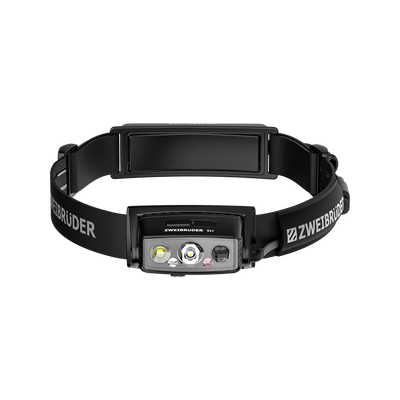
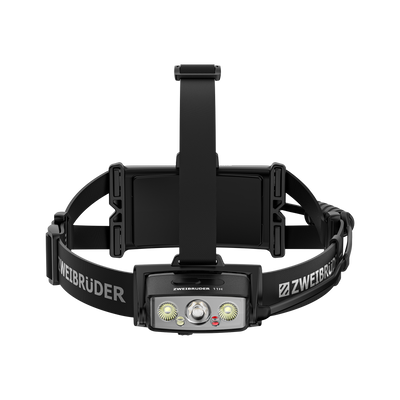
Zweibrüder's head torches offer USB-C recharging, multiple brightness modes, and comfortable fit for hikers and hands-free workers. The range runs from the 600-lumen ZB3H and the everyday-carry 1,000-lumen ZB5H, up through the 1,200-lumen ZB7H and 2,000-lumen ZB9H, to the 2,500-lumen ZB11H built for serious multi-day trail use.
Handheld Torches for Everyday and Professional Use
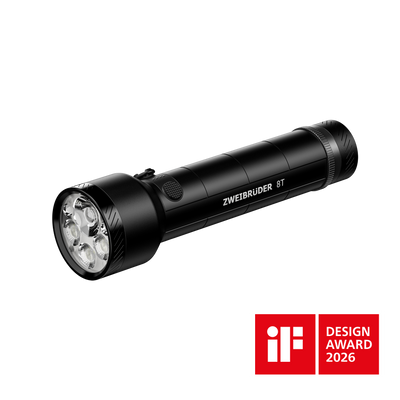
The handheld range covers everything from the compact 500-lumen ZB1T key light to a high lumen torch such as the 3,000-lumen ZB6T for security and site work. German-engineered optics deliver consistent beam quality across the lineup.
Pen Torches for Precision Tasks
Slim, pocketable, and focused, the ZB4P pen torch delivers 400 lumens for close inspection, medical checks, and detail work where a broad beam would be too much.
Lumen FAQ
Is 1000 Lumens Too Bright for Home Use?
At full power, yes: 1000 lumens will dazzle in a small room. But a quality torch with adjustable modes lets you dial down to 100-300 lumens for indoor use and switch up when you step outside.
Is 1000 Lumens Good for a Head Torch?
Very good. A 1000 lumen head torch is more than enough for night hiking, mountain biking, and hands-free work. Use a lower mode for close tasks and save full brightness for distance.
How Many Lumens Do I Need for Hiking?
For well-marked or lit trails, 500-1,000 lumens is usually sufficient. For remote, unlit terrain where you need to see distance, 1,000-2,000 lumens gives better reach and confidence.
What Is the Best Lumen Range for a Torch?
There is no single best range: it depends on use. For everyday carry, 100-500 lumens. For general outdoor and mixed use, 500-1,000 lumens. For hiking on unlit terrain, 1,000-2,000 lumens. For professional and search tasks, 2,000 lumens and above. The best torch is the one that matches the job.
Ready to find the right brightness for your needs? Browse the full Zweibrüder range of USB-C rechargeable torches and head torches at the Zweibrüder torch collection.