Key Takeaways
- Rechargeable wins for regular use. If you reach for a torch weekly or more, USB-C charging, steadier brightness, and near-zero running cost make it the practical default.
- Battery torches suit rare, off-grid use. For glovebox backups, multi-day trips without power, or twice-a-year jobs, disposable cells (ideally lithium) stay ready and cost less upfront.
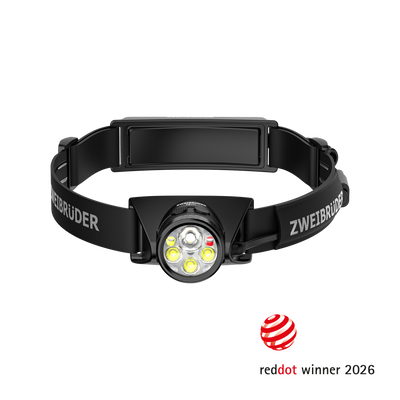
- Dual-power is the best of both. Models like the Zweibrüder ZB5H (3xAAA adapter) and ZB4P penlight (2xAAA) run on a rechargeable cell day to day but accept disposable batteries when you can't charge.
- Cost flips within a year or two. A rechargeable torch typically breaks even at 12-18 months of regular use, then keeps saving as disposable-battery spend adds up year after year.
- For most UK buyers, go rechargeable USB-C. Choose at least 500 lumens, IP67 water resistance, and a multi-year warranty for dark winter dog walks, power cuts, and everyday tasks.
Choosing a rechargeable torch or a battery torch comes down to how you use it, how often you reach for it, and what you expect from it long term. Both do the same job: they put light where you need it. But they differ in cost, convenience, performance, and environmental impact.
This guide breaks down every factor that matters, so you can pick the right torch for your life, not just the shiniest one on the shelf.
What Is a Rechargeable Torch?
A rechargeable torch uses a built-in lithium-ion battery that you top up via USB-C, mains adaptor, or a docking station. You charge it, use it, and charge it again, with no replacement cells needed. Most modern rechargeable torches pair this battery with an LED emitter for efficient, high-output light.
What Is a Battery Torch?
A battery torch runs on disposable cells, typically AA, AAA, or CR123A batteries. When the power runs out, you swap the old cells for fresh ones. The torch itself is usually cheaper upfront, but the running cost adds up over time.
Why This Comparison Matters for UK Buyers
UK buyers face dark winter evenings from October to March. Dog walks, power cuts, and trips to the car all demand a reliable torch. The wrong choice means dead batteries at the worst moment, or a drawer full of single-use cells heading to landfill. Getting this decision right saves money, reduces waste, and keeps you safe.
How Both Torch Types Work
Here is what is going on inside each type, from where the power comes from to how it reaches the beam.
Power Source and Energy Storage
Rechargeable torches store energy in lithium-ion cells rated in milliampere-hours (mAh), a measure of how much charge the battery holds. Higher mAh means longer runtime per charge. Battery torches draw power from disposable alkaline or lithium cells, which deliver a fixed amount of energy before they're spent.
Charging Method and Convenience
Rechargeable lithium-ion torches can be charged via USB, mains adaptor, or even a car charging system, making them suited to regular use and long-term value. Battery torches require no charging, just fresh cells from the shop.
What you actually get with a USB-C rechargeable torch — the ZB6T unboxed:
Some models bridge both worlds. A dual-power torch runs on its rechargeable cell day to day but accepts disposable AAA batteries as a backup when you can't charge. The Zweibrüder ZB5H head torch takes a 3xAAA adapter, and the ZB4P penlight runs on 2xAAA, so you are never left in the dark if the charge runs flat.
Beam Output and Performance
Rechargeable torches typically deliver more consistent lumens (the unit that measures total light output) across the full runtime. Disposable batteries lose voltage as they drain, which means the beam gradually dims. A rechargeable torch outputting 800 lumens holds that level far longer before stepping down.
Typical Runtime and Reusability
A quality rechargeable torch offers 4-12 hours of runtime depending on the brightness mode. Rechargeable batteries can be cycled more than 1,000 times, giving you years of reliable use from one cell. Disposable batteries offer similar runtime per set, but each set is a one-time expense.
Rechargeable Torch vs Battery Torch: Key Differences
This section weighs the two side by side on the things buyers actually care about: cost, convenience, impact, brightness, and upkeep.
Initial Cost vs Long-Term Cost
| Factor | Rechargeable Torch | Battery Torch |
|---|---|---|
| Upfront cost | £25-£80+ | £5-£20 |
| Ongoing cost | Electricity only (pennies) | £10-£30/year in batteries |
| Break-even point | 12-18 months of regular use | N/A |
| 5-year total cost | £25-£80 | £55-£170+ |
Rechargeable torches become cheaper than disposable-battery torches after a year or two of regular use. If you use a torch weekly or more, the maths is clear.
Convenience and Ease of Use
Rechargeable: plug in, wait, go. No hunting for the right battery size. Battery: no charging needed, but you need spares on hand. For everyday use, rechargeable wins on convenience. For grab-and-go emergencies, battery torches have the edge. Simple operation helps too: a German-engineered torch with an easy sliding switch is quick to work even in gloves or the dark.
Environmental Impact
Rechargeable torches are the better choice when you want to reduce waste from repeatedly replacing single-use batteries. A single rechargeable cell replaces hundreds of disposable batteries over its lifespan.
Brightness and Consistency
Rechargeable torches deliver more consistent power at higher lumens. The beam stays strong throughout the runtime, rather than fading as disposable cells drain. For tasks where steady light matters, such as night walks, trade work, and path lighting, this consistency counts.
Maintenance and Replacement Needs
Rechargeable torches need minimal maintenance. Keep the charging port clean, top up regularly, and the battery lasts years. Battery torches need you to check stored cells for leakage, replace corroded contacts, and keep spares accessible.
Which Torch Is Better for Different Use Cases?
The right answer changes with the job. Here is how each type fares across the most common scenarios.
For Home and Emergency Use
Keep a rechargeable torch on a docking station by the front door. It's always ready, always charged. The Zweibrüder ZB5H, a 1000-lumen, 124g auto-focus all-rounder with USB-C charging, a 3xAAA backup adapter, and a 7-year warranty, suits this role well: it stays charged for daily use but still works on disposable cells in a power cut. For a secondary backup in a rarely opened drawer, a battery torch with lithium cells (10-year shelf life) makes sense.
For Camping, Hiking, and Travel
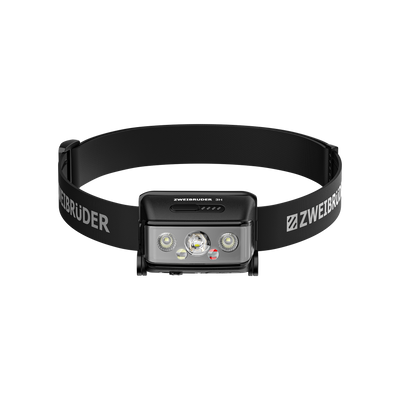
Multi-day trips without power access suit battery torches: you pack spare cells and carry on. Weekend camping with car access? A rechargeable torch like the Zweibrüder ZB7H, a 1200-lumen head torch charged from a USB power bank, covers you easily.
For Professional and Trade Use
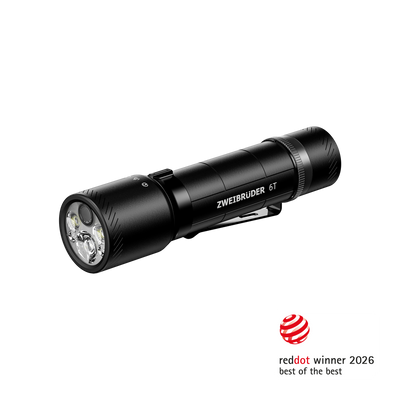
Tradespeople need reliable, high-output light daily. A high-output rechargeable torch, such as the Zweibrüder ZB6T, a 3000-lumen flagship pro handheld, handles a full shift with power to spare. The long-term savings alone justify the investment.
For Kids, Older Users, and Occasional Use
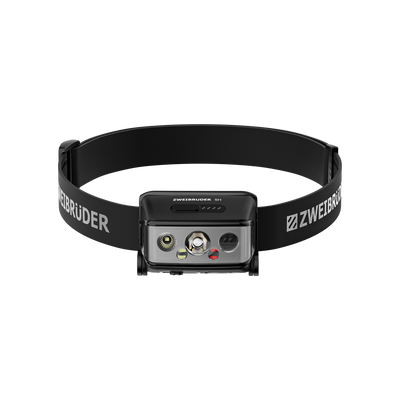
Simplicity matters here. A small rechargeable torch with one or two modes, an easy sliding switch, and USB-C charging, like the 600-lumen, 124g German-engineered Zweibrüder ZB3H, is easy to manage. No fiddly battery compartments, no wrong-size cells. For older users with reduced dexterity, this simplicity is a genuine benefit.
Why a Rechargeable LED Torch Is Often the Better Choice
For most everyday users, the rechargeable LED torch comes out ahead. Here is why it tends to win.
LED Efficiency and Brightness
An LED (light-emitting diode) emitter converts more energy into light and less into heat. A rechargeable LED torch delivering 1,000 lumens uses far less power than an older incandescent bulb at 200 lumens. The result: brighter light, longer runtime.
USB Charging Convenience
USB-C is now the standard. Charge your torch from a laptop, power bank, car socket, or mains adaptor. No proprietary cables, no hunting for chargers.
Lower Ongoing Running Costs
Once you own the torch, the running cost drops to near zero. Charging a lithium-ion cell costs fractions of a penny per cycle, compared with £1-£3 per set of disposable batteries.
Better for Frequent Use
If you reach for your torch three or more times a week, whether for dog walks, shed visits, or evening tasks around the home, a rechargeable torch pays for itself quickly and outperforms disposable alternatives on every measure.
When a Battery Torch Still Makes Sense
Disposable-battery torches are not obsolete. There are still situations where they are the smarter pick.
Emergency Backup and Stored Use
Disposable-battery torches are the simpler, lower-upfront-cost option, and work well for occasional use or situations where charging access is limited. A battery torch stored in the car glovebox or emergency kit stays ready for months.
Limited Access to Charging
Remote bothies, extended expeditions, or power-cut scenarios where you can't charge make battery torches practical. Pack spare cells and you're covered. A dual-power model such as the Zweibrüder ZB5H, which accepts 3xAAA cells, gives you the same fallback without giving up rechargeable convenience the rest of the time.
Simple Replacement in Remote Settings
When a battery dies in the field, you swap it in seconds. No cables, no waiting. For multi-day hikes far from power, this simplicity is hard to beat.
Low-Frequency Use Cases
If you use a torch twice a year, the upfront saving of a battery model makes more financial sense. The key is to use lithium primary cells, which resist leakage far better than alkaline.
Best Features to Look for in a Rechargeable Torch
If you're shopping for a rechargeable torch, these are the specifications worth checking, and what each one means in practice.
Battery Capacity and Runtime
Battery capacity is measured in mAh, which tells you how much charge the cell holds and therefore how long it runs. Look for at least 2,000mAh for general use. A 5,000mAh battery provides around 8-12 hours at medium brightness. Check the manufacturer's runtime figures at specific lumen levels.
Beam Distance and Light Modes
For path lighting, 150-300 metres of beam distance is sufficient. Two to three modes (low, medium, high) cover most tasks without overcomplicating things.
Build Quality and Water Resistance
Water resistance is shown as an IP rating. An IP67 rating means the torch handles rain, splashes, and brief submersion in water (some models, rated IP66, are sealed against powerful water jets rather than submersion). Aluminium construction with knurled grip keeps it secure in wet or cold hands.
USB-C Charging and Fast Charging
USB-C is now essential. Fast charging tops up usable runtime in under an hour on many models.
Torch Size and Portability
A small rechargeable torch fits a jacket pocket or bag without bulk. For everyday carry, aim for under 15cm in length and under 200g.
Docking Station or Stand Options
A rechargeable torch with docking station stays charged and accessible. Drop it on the base after each use, with no cables to fumble with. Ideal for hallway or kitchen placement.
Warranty and After-Sales Support
A 5-7 year warranty signals genuine confidence in build quality. Check that the manufacturer offers UK-based support and replacement parts.
Rechargeable Torch Types and Formats
Rechargeable torches come in several shapes, each built for a different way of carrying and using them.
Handheld Rechargeable Torch Light
The standard format. Versatile, powerful, and available in every size from pocket to professional.
Small Rechargeable Torch for Everyday Carry
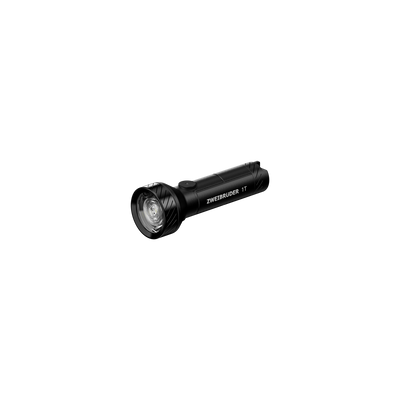
Compact models under 12cm suit keyrings, pockets, and handbags. Output typically ranges from 100 to 500 lumens. The Zweibrüder ZB1T hits the brief perfectly here.
Pen Torch for Precision Tasks
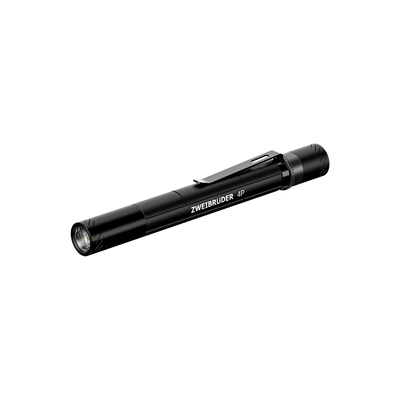
Slim, focused beam for close-up inspection, medical checks, or detailed trade work. Lightweight and easy to clip into a pocket. The Zweibrüder ZB4P penlight, a 400-lumen, 60g model that also runs on 2xAAA cells, is built for exactly this.
Head Torch for Hands-Free Use
Essential for hikers, cyclists, and tradespeople who need both hands free. Rechargeable head torches eliminate the cost and weight of spare batteries.
Rechargeable Torch with Docking Station
Drop-in charging bases keep your torch topped up and always ready. No plugging in cables, just set and forget.
USB Torch vs Mains-Charged Torch
A USB torch charges from any USB source, including laptops, power banks, and car sockets. Mains-only models tie you to a wall socket. USB wins on flexibility.
Best Rechargeable Torch UK: What UK Buyers Should Check
A few points matter especially for buyers in the UK, from plug compatibility to local support.
UK Charging Compatibility
Ensure the torch charges via USB-C for universal compatibility. If a mains adaptor is included, confirm it has a UK three-pin plug.
Value, Warranty, and Support
UK buyers should look for brands offering multi-year warranties with UK-based service. A 7-year warranty removes the risk from a higher upfront spend.
Indoor, Outdoor, and Professional Needs
The best rechargeable torch UK buyers can choose covers multiple scenarios: bright enough for outdoor paths, compact enough for the kitchen drawer, robust enough for trade use.
Availability of Replacement Parts and Accessories
Check that spare batteries, clips, filters, and charging cables are available from UK retailers. Long-term support matters as much as day-one performance.
Zweibrüder Rechargeable Torches: Product Range Overview
Zweibrüder brings German engineering precision to every torch in its range. Each model is built for durability, tested rigorously, and designed around real-world use, not gimmicks.
USB-C Rechargeable Head Torches
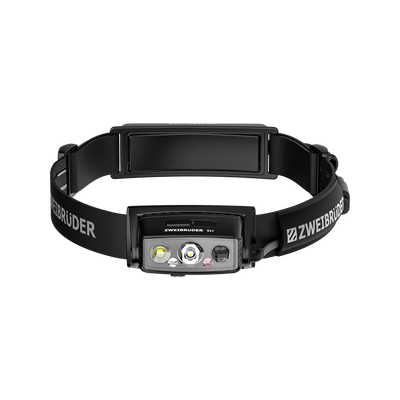
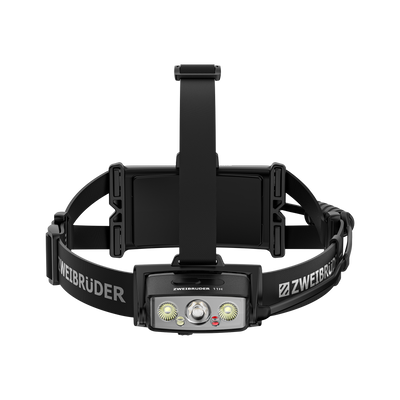
Lightweight, adjustable, and built for hands-free work. The 1000-lumen ZB5H all-rounder, with its dual-power 3xAAA backup, and the higher-output 2000-lumen ZB9H keep you covered, with USB-C charging that stays ready for hikers, dog walkers, and tradespeople alike.
Handheld Rechargeable Torches
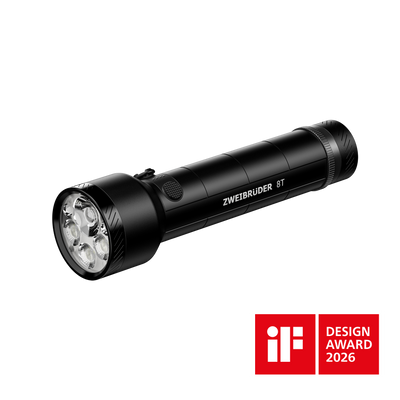
From compact everyday models to high-output professional torches, the handheld range covers 200 to 4,000 lumens with consistent beam quality and robust aluminium housings. The 3000-lumen ZB6T and 4000-lumen ZB8T searchlight sit at the top of the range.
Pen Torch for Professional and Medical Use
Slim, precise, and pocket-friendly. The 400-lumen ZB4P penlight suits detailed inspections and clinical use, with reliable output across the full charge cycle and a 2xAAA backup option.
7-Year Warranty and German Engineering
Every Zweibrüder torch is backed by a 7-year warranty, a direct reflection of build quality and engineering confidence. Lens alignment, thermal management, and water resistance are tested to strict German standards.
Use Cases Across Outdoor, Trade, and Everyday Needs
Whether you're walking the dog on a dark November evening, inspecting a boiler in a tight space, or navigating a campsite at midnight, Zweibrüder torches deliver the lumens, runtime, and reliability to match the task.
How to Choose the Right Torch for Your Needs
Use these five checks to narrow the field down to the torch that fits how you actually live.
Match Brightness to the Task
Dog walks and around-the-house tasks: 100-500 lumens. General outdoor and trail walking: 500-1,000 lumens. Hiking on unlit ground: 1,000-2,000 lumens. Professional and search use: 2,000 lumens and above. For maximum output, the Zweibrüder ZB8T is the perfect choice.
Choose Battery Type Based on Usage Frequency
Use your torch three or more times a week? Go rechargeable. Use it twice a year? A battery model stored with lithium cells will serve you well.
Consider Weight, Size, and Grip
Cold, wet hands need a textured grip and manageable weight. Test how the torch feels before committing, or choose models with knurled aluminium bodies.
Prioritise Charging Convenience or Backup Readiness
If you value grab-and-go readiness, a docking station keeps your rechargeable torch perpetually charged. If you need a failsafe backup, keep a battery torch with fresh cells in your emergency kit, or choose a dual-power model that does both.
Compare Total Cost of Ownership
Factor in the torch price, battery costs over five years, and replacement frequency. For regular users, a rechargeable torch costs significantly less over its lifespan.
Frequently Asked Questions About Rechargeable and Battery Torches
Is a Rechargeable Torch Better Than a Battery Torch?
For frequent use, yes. Rechargeable torches deliver steadier brightness, cost less over time, and produce no battery waste. For emergency backup or very occasional use, a battery torch is a practical, affordable option.
Are Rechargeable LED Torches Worth It?
If you use a torch weekly, a rechargeable LED torch pays for itself within 12-18 months through eliminated battery costs alone, with better performance throughout.
How Long Does a Rechargeable Torch Last?
A quality rechargeable torch lasts 4-12 hours per charge depending on the mode. The battery itself supports over 1,000 charge cycles, which translates to years of reliable service.
What Is the Best Rechargeable Torch for UK Use?
Look for USB-C charging, a UK-compatible adaptor, at least 500 lumens, IP67 water resistance, and a multi-year warranty. Zweibrüder torches meet all of these criteria and are widely available to UK buyers.
Do Rechargeable Torches Need Special Chargers?
Most modern rechargeable torches charge via standard USB-C cables. No proprietary chargers needed. Some models include a docking station for drop-in convenience.
Ready to find the right rechargeable torch? Browse the full Zweibrüder range, built with German precision, backed by a 7-year warranty, and designed for real-world UK use: the Zweibrüder torch collection